Written by someone who still carries the number.
No guru credentials. No motivational backstory. Just the seats, the numbers, and the one quarter that made me stop trusting a good month, and start building for the cycle after it.
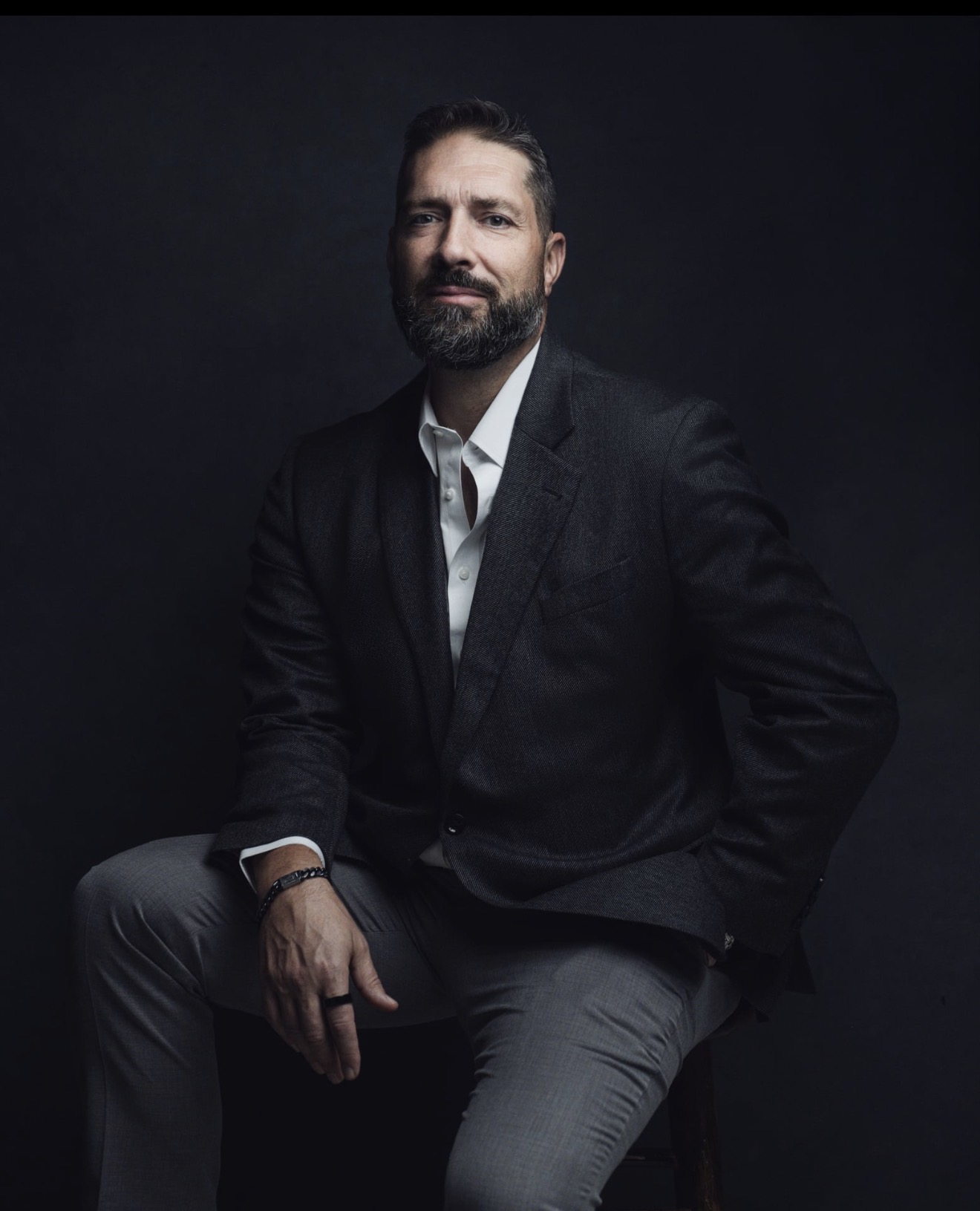 Ryan Mathews · Founder
I'm Ryan. I've spent more than 30 years in the uniform, linen, and facility services industry, starting on a delivery route and now responsible for sales across North America. I still carry the number today, and I'm still refining the system every day.
I've sold to everyone from the one-person shop on the corner to VPs of Procurement and CEOs of multinationals. This isn't theory, and it isn't a highlight reel. It's what actually works, written down as I'm living it: the moves that move the number, and the ones that only look like they do.
The short version, in numbers.
Not to impress. So you know the writing comes from carrying quota, not commenting on it.
The seats I actually sat in.
Every idea here was paid for in one of these chairs.
On a route. Customer & delivery service.
Carried a book across Utah, Washington, and Nevada. Held a 95% retention rate and grew it 25%. The number is won or lost at the customer's back door, not in the boardroom.
First P&Ls. Branch and operations leadership.
Ran a branch that grew 30%, then an operation that grew 300% in a year through a facility expansion. Growth you can't service isn't growth.
National accounts and training. Built the bench.
Built the sales and service training function from scratch and ran the national accounts book, growing it more than 80% in four years. A system anyone can run beats a hero who can't be replicated.
Senior National Sales Manager, North America.
Own the North American sales P&L: 7 regions, 82 facilities, a 500-person org, and a roughly $400M portfolio. Rebuilt the team from 175 sellers to 500 and lifted output 75% in three years, then exported the model to the UK, Germany, Italy, Brazil, Australia, New Zealand, and Asia.
Founder, Frontline to Forecast.
Where 30 years of it gets written down for the reps, managers, and leaders doing the actual work. Still in the seat, still carrying the number, still refining the system every day.
Past Chairman of TRSA's Sales, Marketing & Service Committee (2023–2026) and recipient of the 2026 TRSA Volunteer Leadership Award.
The reset that started this.
COVID was the hard one. I'd inherited a system that worked but wasn't built to scale, and when the pressure hit, every crack showed at once. The shutdown was brutal, but it handed me the one thing growth never does: time to stop and actually look at what I had.
So I did the unglamorous work. I looked at what was working, what wasn't, and how to make it better. When something worked, I didn't stop at the first answer. I asked why, and then why again, not once or twice but until I hit the real reason underneath. That is how I rebuilt the organization and scaled it: not with a new pep talk, but by finding the handful of moves that actually moved the number and making them repeatable. It is how a team of 175 sellers became 500, and output rose seventy-five percent in three years.
And I am still at it today, keeping what works, cutting what doesn't, refining what's left. The system never stops, because the moment it does, it starts sliding back toward a spike.
Why I write this.
Most sales advice is written to sell you the next thing. I wanted a place that just tells the truth about what compounds and what doesn't.
It's for two people. The seller who's past the initial training and wants to keep growing: not another lesson on how to prospect, dial, or present, but how to find what actually makes you successful and multiply it. And the sales leader building out a library of what works. A lot of managers got the title but never got the training. This is a home for them.
After 30-plus years scaling teams across North America and abroad, this is where I share what actually works. Not theory. Not highlights. Honest perspective on leadership, culture, accountability, and performance. Everything's free, and the only thing I'll ever ask is your inbox, and only if the writing earns it.

The frameworks the writing runs on.
The named ideas that recur across the Library. Each one earned in the seat, not borrowed from a book.
Spike vs system
Most teams mistake a good quarter for a repeatable system. A spike is luck, timing, or one big deal dressed up as performance. A system compounds. It is the idea underneath everything here.
Pipeline coverage quality
Coverage tells you the size of the haystack, not whether the needles are in it. What predicts a landed quarter is composition: conversion by play, stage weighting, and how much rides on your top deals.
Forecast survivability
Accuracy grades the past. Survivability asks whether the call would still hold if the top deal, the top rep, or the strongest play disappeared. Most leaders optimize the wrong one.
Single-deal exposure
The share of your number carried by the top one to three deals. Above forty percent the quarter is fragile regardless of coverage; below twenty percent you have architecture. In three decades of carrying and leading a number, I have seen that forty percent line hold: when a single deal carries more than forty percent of the quarter, it fails to close about four out of five times, and takes the number down with it.
What changed since last Tuesday?
One question, asked at the same point in every forecast meeting, that separates real progress from activity. Change is the only thing that moves the trajectory.
Systems, not spikes.
Operator notes for sales leaders and professionals who'd rather refine the moves than read another think piece. One signal a week. Zero filler.